Important Links

Just Added: New link to Florida AG!

Monday, March 06, 2023

How to Buy or Lease a New Car Confidently

Buying a car can be an exciting experience, but it can also be stressful and overwhelming. With so many different models, features, and dealerships to choose from, it can be hard to know where to start. But by following a few simple tips, you can make the process easier and more successful.

First and foremost, do your research. The most reliable and accurate source for researching the quality, reliability, safety, and value of a car is Consumer Reports. They offer detailed information on every aspect of a car, and they are completely unbiased. Take advantage of their website to research different models and make an informed decision on which vehicle is best for you.

Once you have an idea of what kind of car you want, it's time to start shopping for the best price. The internet is a great resource for this. Shopping online allows you to compare prices from dozens of dealerships and get the lowest, honest price for your chosen vehicle. You can also communicate with dealerships by phone and text, which can be useful in negotiating the price. But be careful not to visit the dealership unless you are test driving the vehicle or picking it up and paying for it. By physically going to the dealership, you risk playing on the salesman's home turf and relinquishing your control.

It's also important to shop around. Don't settle for the first dealership you find. Shop around and get as many prices as possible. The more prices you get, the lower the price you will pay. Shopping online allows you to compare prices easily and quickly, so take advantage of this resource.

However, be wary of third-party auto buying sources. While some are reliable, others allow their dealers to add thousands of dollars in hidden fees to the prices they post. Costco, TrueCar, and Consumer Reports are three exceptions that are known for their honesty and transparency.

Finally, if you finance your purchase, arrange that directly with your bank or credit union, preferably your credit union. If the company you work for doesn't have a credit union, there are numerous credit unions you can join, independent of where you work. This will help you get the best interest rate and save you money in the long run.

In conclusion, buying a car can be a daunting task, but with these tips, you can make the process easier and more successful. Research your options, shop around, and be careful when dealing with dealerships. With a little patience and diligence, you can find the car of your dreams at a price you can afford.


This article was written by an AI, ChatGPT, based on an article I wrote last year. The illustration was also made by AI, OpentArt.AI, using the prompt "confident people flying cars out of a car dealership and car salesmen are shooting laser guns at them as they escape."

Monday, February 27, 2023

The Late U.S. Senator Mike Monroney is the New Car Buyers' Best Friend


Years ago, I wrote a blog entitled "Beware the Phony Monroney". You can read it at http://oncars.blogspot.com/search?q=beware+the+phony+monroney. The factory window sticker didn't exist until 1958 when U.S. Senator Mike Monroney got a law passed by Congress, the Monroney Act. Since then, every new vehicle sold in the United States must have the manufacturer's suggested retail price (MSRP) posted on a window of the new vehicle until the retail buyer takes delivery. Before this, every car dealer could post any price they liked on the window of their cars or post no price. This created mass confusion for car buyers because every car dealer asked a different price.

I guess it falls under the category of "The Best Laid Plans of Mice and Men Often Go Awry" because the MSRP never really made much difference in every car dealer charging every customer as much as they can get away with for the same car. Dealers quickly learned how to eliminate the good intentions of Mike Monroney and the U.S. Congress. Car dealers add virtually worthless dealer-installed options, hidden junk fees, and, of course, the Market Adjustment Addendum, also known as the Phony Monroney.

If you've been buying new cars for a few years, you probably remember that the MSRP on the Monroney sticker used to be considered a very high price to pay for a car. The exception was for high-demand, low-supply cars like Chevrolet Corvettes and other exotic sports cars. The real value of the Monroney sticker, MSRP, was a true and reliable point of reference for new car buyers to negotiate the greatest discount off the MSRP.

Of course, the COVID-19 pandemic happened three years ago and disrupted the supply chains for auto manufacturers. New car inventories all but vanished, and consumer demand soared. This caused car prices to soar to all-time highs. Buying a new car flip-flopped from how big a discount below MSRP to how many thousands of dollars over MSRP.

The good news is that Mike Monroney's window sticker, the MSRP, is still the best tool for the car buyer in evaluating the lowest price. As I write this blog, new car prices can be negotiated down from way over MSRP (5-10 thousand dollars and higher) to near MSRP. Hopefully, this trend will continue, and the educated consumer will be able to negotiate prices below MSRP again.

Educated consumers know that the price they must negotiate is the out-the-door price, not the "advertised" price or the price the "car salesman" quotes you. The definition of an out-the-door price is the amount of money you pay the car dealer, allowing you to drive the car home. Only government fees paid to the state (not profit to the dealer) can be legitimately added. Sadly, dealers commonly disguise added profit as government fees by using false names like tag agency fee, electronic filing fee, and doc fee. The "acid test" for a government fee is whether the state assessed sales tax to it. A phony fee, like an electronic filing fee, will be assessed state sales tax because it's added profit for the dealer.

Monday, February 06, 2023

Don’t Play Used Car Roulette

Readers of my column and listeners of my weekly radio talk show, "Earl on Cars," (Saturdays 8-10 am EST at www.StreamEarlOnCars.com) have heard my "Mystery Shopping Reports." For 20 years, I've sent a secret shopper to different car dealerships who pretends to buy or lease a car that's advertised and reports back on the experience. Based on their experiences, dealers are listed as either "Good Dealers" or "Bad Dealers" on my website, www.EarlOnCars.com.

Last week, my shopper visited the CarMax used car lot in Royal Palm Beach, Florida. CarMax is the largest used car retailer in the US with hundreds of locations and has always been near the top of our "Good Dealer List." They have a straightforward pricing policy, pay their salespeople a salary, and offer a 7-day money-back guarantee on every car they sell, with reasonable conditions.

Recently, however, CarMax's sales and profits have plummeted, and I sent a mystery shopper to find out why. My Toyota dealership's wholesale expert told me that CarMax wasn't buying many cars at wholesale auctions, which was surprising since they're typically the largest buyer.

My shopper chose a 2021 Toyota 4-Runner advertised on CarMax's website for $40,998, which was $7,000 above the current wholesale price and $3,000 more than my dealership's retail price. The salesperson told my shopper that the vehicle had been transferred from another CarMax lot because it hadn't sold. This confirmed my suspicion that CarMax's sales and profits had decreased because they hadn't written down the cost of cars acquired during the used car bubble that had recently burst.

The microchip shortage ended, new car inventories rose, and prices dropped, causing customers to buy more new cars and fewer used cars. Dealers, including CarMax, were left with overpriced used car inventory. My dealership took a big loss and wholesaled nearly a million dollars of used cars to bring our inventory in line with market prices. Dealers who ignore overpriced inventory will struggle to retail those cars profitably. The smart move is to take the big loss quickly and replace the inventory with fresh cars at the lower, true wholesale market.

This situation means that used car buyers need to be even more cautious and shop around for prices. My shopper could have saved thousands of dollars by buying the Toyota 4-Runner at another dealership that had the sense to rid themselves of overpriced inventory.

Monday, January 30, 2023

Don’t Let Dealers Steal Your Discount on a New Car

All auto manufacturers offer price discounts and very low interest rates. As we begin the recovery from the microchip and other supply line shortages, car dealers and manufacturers inventories are growing rapidly. This will trigger more and steeper discounts to move inventory in the form of cash incentives and interest rate reductions.
 
Cash incentives take two forms, dealer, and customer. Dealer incentives, as the name suggests, are paid directly to the dealer, and are kept secret from the public. These discounts range from a few hundred to a few thousand dollars. Depending on how large an inventory of a particular model is, dealer and customer incentives can range from several hundred to several thousand dollars. Discounts of $10,000 and higher are not uncommon.
 
Customer cash incentives are advertised by the manufacturer to the public. For all intents and purposes, these customer incentives may as well be secret. Car shoppers and buyers rarely buy cars because they know of advertised manufacturer’s discounts. A big reason for this is that dealers’ advertised prices already includes the manufacturer’s advertised incentives. In effect, the dealer is taking your discount for himself and then “discounting” the car in his advertised price. When you buy the car, one of the many papers you will blindly sign in the “business office” is assigning your manufacturers discount to the dealer. By making your discount part of his advertised price, the dealer has secretly converted your discount to his profit.
 
Manufacturer discounts are paid directly to the dealer and are kicked back to the dealer after he sells you the car. These “kick-backs” are in addition to the routine kick-backs such as advertising money, 2% or 3% holdback, interest rebates, quota rebates, etc. The “invoice” that the manufacturer sends dealers for every car they buy are loaded with thousands of dollars in hidden profit for the dealer. You’re supposed to believe the invoice is the “true cost” of the car. In normal times the average car’s “invoice” includes thousands of dollars in hidden profit to the dealer.
 
Interest rates are rising rapidly, and manufacturers are offering subsidized, lower interest rates to attract buyers. Sadly, the average buyer is unaware of these available low interest rates because the dealer won’t tell the customer. The reason is that manufacturers offer a cash discount OR the low interest rate, leaving the choice to the customer. The dealer makes the choice of cash without informing the customer so that he can convert the discount into his profit.
 
You can avoid being taken advantage of by going to the manufacturer’s website after you choose the specific year-make-model car you will buy. This will tell you what customer discounts are available from the manufacturer and what low interest rates.

Monday, January 23, 2023

It’s Time to Begin The Car-Buying Process

Please note that my headline doesn’t read that “It’s time to buy a car”; It’s time to begin the process. All indicators are that the microchip shortage and other supply line issues over the last three years are past. Auto production is geared and gearing up to where we were before the pandemic. Dealers’ inventories are growing, and prices are coming down. Dealers’ bad behavior is even beginning to mitigate. This resulted from the price gouging and deceitful advertising and sales practices during the past 3 years that brought on aggressive retaliation by the Federal Trade Commission and some local regulators.
 
The car buying process will take some time, weeks, at least. Time is on your side because car prices will continue to come down for months, even up to a year. Inflation is coming down, interest rates are not going much higher, and soon increasing supply will more than catch up with demand. Here are the “bases that you should touch” before you sign on the dotted line: 

  • Study Consumer Reports online or magazine. You don’t even have to join or subscribe. Your local library provides both hard copies and online Consumer Reports. Be sure you check the annual auto issue, and most issues carry reports on all cars, new and used. CR evaluates cars from every angle…safety, reliability, cost of maintenance and repairs, fuel economy, handling, comfort, and price. CR is the only totally trustworthy source of information on cars. Unlike every other car information source, like Edmunds, Kelly Blue Book, Cars.com, J.D. Power, CarFax, Motor Trend, car and Driver, etc., Consumer Reports has NO FINANCIAL AFFILIATION with car dealers or manufacturers. CR accepts no money from anyone except consumers’ donations. When they test a car, they pay full price from a car dealership. 
  • Shop online, not at dealerships, after you’ve made your choice. When you enter a dealership, the salesman and sales manager are in control. You’re playing on their home field. Salespeople and managers are trained on taking control of the negotiation. They attend classes on sales techniques that work best when they’re face to face with the customer. You can insulate yourself from car salespeople by using a different email address than you normal one. You can also not give them your real phone number. 
  • Select the dealership that gives you the best OUT-THE-DOOR price. The true definition of an out-the-door price is one with only the government fees of sales tax and tag added.
  • Shop your trade in with, at least, three different sources such as CarMax, Carvanna, WeBuyAnyCar.com, Vroom, and dealers that sell the brand of your trade in. Don’t accept only the trade-in allowance offered by the dealer you buy from. 
  • Arrange your financing in advance with your bank or credit union. Credit Unions have much lower interest rates than banks. If you’re not a member of a credit union, it’s worth the small annual fee to join.

  • Ignore after sale products offered by the dealer. If you buy a good car, you don’t need an extended maintenance plan. Road Hazzard insurance, emergency brake down insurance, etc. are typically overpriced and can be purchased elsewhere, like AAA, for much less.

Monday, December 26, 2022

2023 New Year’s Resolutions For Car Dealers

Car dealers are running out of time to radically change the way they retail their new and used cars, as well as their service and parts. Car dealerships have been “frozen in time” for about a century in the deceptive way they sell cars. You must have realized this when you bought your last car. The out-the-door price you paid was much higher than the advertised price, and you paid a different price for the same car that others paid a higher or lower one. If you financed your car through the dealer, your finance costs were considerably higher than your bank or credit union would have charged.
 
Why do I say car dealers are “running out of time”? The answer is the KNOWLEDGE EXPLOSION, occurring for the first time in human history. My father was born in 1892 and in 1900 human knowledge doubled about every 100 years. Car dealers came into existence in the early 1900’s after Henry Ford invented the Model A Ford and assembly line production. By the end of 1945 human knowledge was doubling every 25 years. In the 21st century we witnessed some scientific breakthroughs that have turbocharged human knowledge. This began with the Internet which sparked the digital age bringing Google, quantum computing, the Cloud, and the 800 lb. gorilla, ARTIFICAL INTELLIGENCE, A.I. Today human knowledge is doubling about every 13 months and very shortly will be doubling every 12 hours.
 
What all this means is that all humans, including car buyers, are immensely smarter, with instant access to more knowledge than anyone could have imagined a few years ago. Not only are car buyers a lot smarter, but so are the politicians, and voters. Up until now, lack of consumer awareness of car dealers’ deception has allowed regulators and legislators to permit car dealers to “run amuck”. Auto manufacturers and dealers have had politicians and regulators “in their pockets” for a long time. Without the support of Big Auto, a politician can’t get elected. The new voter, benefiting from the knowledge explosion, will no longer elect politicians that “play ball” with car dealers and manufacturers. In fact, the new voter will elect politicians who will “play ball” with them, the car buyers. To get elected, politicians will have to convince the voters that they will “come down” on crooked car dealers, enforce the consumer protection laws already on the books, and add more if needed.
 
Here are my recommendation for car dealers who would like to remain in business in the 21st century by being able to sell cars to the new fully informed car buyer.

Car Dealer 2023 New Year’s Resolutions

Advertise and post the price online that you’ll sell your cars for, no more or no less. Every other retailer has already learned this lesson.
 
Eliminate all fine print that secretly increases the advertised price (like a large down payment). Manufacturers as well as dealers are guilty of this. Both violate Federal Trade Commission rules when they do.
 
Do not advertise that you have cars in your inventory that you do not. Cars that you ordered from your manufacturer can take months to arrive.
 
Do not add options and accessories to your cars unless you include the cost of those in your advertised price.
 
Do not add hidden charges, often called dealer fees or junk fees, to your advertised prices. These charges are, in truth, additional profit to you. All costs should be included in your advertised and posted prices. Federal, state, and local government fees are the only exception…sales tax and license plate.
 
Inform your customer that your dealership makes a profit when it finances new and used vehicles. This profit averages about $2,000 for every car sold and derives from interest rate markup and “products/services” like GAP insurance, extended warranties/service contracts, prepaid maintenance, road hazard and roadside assistance. Car buyers should be informed that they should compare financing from their bank or credit union.
 
The average car dealer reading these resolutions will either laugh in disbelief at my naivety, because he doesn’t believe my basic premise; or he’ll be horrified at what adhering to such changes would do to his profits (GIGANTIC at the present time). Here’s something I wish each dealer would consider. Because most dealer will ignore my suggestions, you can be one of the few that actually prospers because you will be the choice of the new, 21st century, fully informed and aware car buyer. He'll bypass your competition to buy a car from you because he understands and trusts the way you do business. If you disagree, check out my Toyota dealership in North Palm Beach, Florida where “the educated consumer is my best customer”.

Monday, December 19, 2022

Don’t be “Rip van Winkle” When You Buy Your Next Car

Marketing experts know that consumers see or hear only advertisements for products that they might consider buying. For example, if you were recently gifted the perfect microwave oven for your birthday, you wouldn’t notice, much less look for, advertisements for microwave ovens. The same psychological principal applies to reading news articles about products that you don’t have an interest in buying. There may be a surplus, over-supply of microwave ovens or a severe shortage, but if you just bought or were given a microwave oven, you “don’t see” those articles.
 
Just in case you’ve never read or heard about the legend of Rip van Winkle who lived in the Catskill Mountains, he fell asleep for 20 years. When he awoke, he thought he’s just slept through the night. I’m guessing his 6-foot-long beard led him to wonder what had happened!
 
I’m a car dealer and have been one since 1968. I live, sleep, eat, and breathe cars. My dealership is family owned and operated and my three sons and wife, also immersed in the retail car business, regularly get calls from “Rip van Winkles” about buying their next cars. The typical assumption from these car buyers who have been out of the market (asleep) for 3 or more years is that they’d like to come to my dealership and pick out the right new or used cars from my very large, nearly 1,000 vehicle inventory.
 
These “Winkles” want to buy their next new or used car immediately and are very specific what year-make-model, exterior and interior color, options and accessories they would like. They also intend to shop and compare my price (especially those that are educated consumers) with my competition. Of course, I and my family members and managers explain the “upside down” auto retail and manufacturing markets existing for nearly 3 years. Demand soared, supply plummeted, and prices ran up and off-the-chart. Before Rip van Winkle dozed off, cars were sold for thousands of dollars less than today and the selection was huge.
 
The danger to these “Winkles” is that most car dealers and manufacturers are pretending as if these exorbitantly high prices and virtually nonexistent inventories aren’t real. The advertising you see from car dealers and manufacturers continues just like it was 2019, not 2022…big sales, discounts, huge inventories, etc. How and why the FTC and state Attorney Generals allow them to get away with this is fodder for another column. In plain English, the dealers and auto manufacturers are lying to their potential customers. An honest car ad today would read, TODAY IS A BAD TIME TO BUY A NEW OR USED CAR. You and I both understand why we don’t see too many honest ads like this.
 
As I’ve said often before, don’t buy a new or used car now unless you must. If you must, shop around for the lowest price which won’t be below MSRP, especially when you spot the hidden, junk fees and dealer installed accessories. Your selection will be very limited and you’ll have to make many compromises on color, options, and probably models. Your waiting time will likely be months. Rip, I hate to be the bearer of bad news, because I know the truth hurts.

Monday, December 12, 2022

Car Dealers Secret Profit Rapidly Rising to Record Levels

OK, you just “bought” that new or used car and you breathe a sigh of relief. All your hard work, aggravation with the car dealers you’ve dealt with, and worry about price and affordability are behind you…RIGHT? Maybe, if you’re paying cash or financing through your bank or credit union. But, most people finance their cars at the car dealership they bought from and, for them, their aggravation, problems, and expense have just begun.
 
“Mr. and Mrs. Schor, thank you so much for trusting us with your purchase. If you’ll just follow me, I’ll take you to our ‘business office’ and introduce you to Elliot, our manager. He’ll assist you in taking care of the paperwork associated with your car purchase.” Nothing could be further from the truth. The office isn’t just a “business office”; it’s the most lucrative profit center in the entire car dealership for R.O.I. (return on investment). This small office and a few more like it are staffed by, on average, three or four employees and the only investment in equipment is a PC and printer. This department generates millions of dollars yearly for the average car dealership…more than $2,000 for every new and used car sold.

What the salesman told you was the “business office” is the Finance and Insurance Office, aka the F&I office. The “business manager”, Elliott, is paid a commission percentage for every dollar he can extract from you in interest expense and high priced “products” like extended service contracts, maintenance agreements, road hazard insurance, GAP insurance (guaranteed asset protection), roadside assistance insurance, and anything else the dealer can think of to add to the cost of the car you just bought. Many dealers have their own “insurance companies” which allow them to set their prices as high they like. F&I departments also “broker” loans from banks. This means they buy the money from the bank at the lowest rate and then mark it up on your finance contract. One of the largest retail automobile dealer groups in the USA, AutoNation, made $2,766 on every one of the tens of thousands of cars they sold in third quarter of this year. This $2,766 is much higher for every car financed because some buyers pay cash. In reality, if you finance your car with the dealer, his profit averages over $5,000 on every car.
 
Unless you’ve been in a coma for last three years, you know that new and used cars are selling at the highest prices in history. Sadly, interest rates are rising too. There’s not much you can do about the price of car; that’s dictated by supply and demand. The good news is that car prices are coming down very slowly. You don’t have much of an option other than buying the “lowest high price” you can find. You do have an option when financing your car. FINANCE YOUR NEW OR USED CAR THROUGH YOUR BANK OR CREDIT UNION. 

You’ll save yourself thousands of dollars.

Monday, December 05, 2022

Please Don’t Take Away Grandma and Grandpa’s “Freedom Machine”

This column is a prequel to last week’s column, “Earl and Nancy Drive Autonomously”. If you missed last week’s column, you could read it atwww.EarlOnCars.com. I wrote this column fifteen years ago, just about the time I turned 67 and I began to think what my life would be like if I couldn’t drive a car anymore. If you're nearing retirement, you’ve probably had these thoughts; or, if your parents are elderly, you’re concerned about them driving. Today, almost miraculous technology has offered the real possibility of fully autonomous vehicles that may allow everyone, regardless of age or disability, to have personal transportation at their disposal.


Originally published Sunday, November 24th 2007:

You may have read in the newspaper a couple of weeks ago about a 94-year-old man who hit a woman riding a bicycle. It wasn’t the man’s fault; the woman, in her fifties, ran a stop sign. They put the old man in jail overnight and he was given probation because he was driving with no license. It had been taken away because he failed his driver’s test. He said he had to drive because he had to take his wife to the doctor and pick up medicine for her.

There is another reason that a lot of younger people don’t seem to understand why this old man still owned a car. If you are one of these people, think back to the first time you ever drove a car. Think back to the time you owned your first car. Can you recall that wonderful feeling of FREEDOM? No longer did Mom or Dad have to take you to school, to work, to the store, or to a friend’s house. Or, you didn’t have to take the bus, the street car, or impose on a friend who already owned a “freedom machine”. If you are a guy, do you remember how you felt when you first picked your girlfriend up at her home in your very own car? I don’t know about you, but I still feel a tingle when I think about it. I really can’t think of a more memorable experience in any young person’s life. Your first kiss is probably a close second [My first car was a 1951 Pontiac Chieftain & my first kiss was from Mary Ann Riggle during a “spin the bottle game”].

If you are one of those younger people who curse at that gray haired driver in front of you because she is driving too slowly, just remember that she is probably a safer driver than you. Newspapers like to feature stories of senior citizens having accidents and questioning their mental and physical faculties for driving but insurance companies charge senior citizens lower premiums than you. That means they have fewer accidents and cause fewer injuries. Admittedly that is partly because we seniors drive fewer miles but it’s also because most of us drive slower and more carefully than you.

My Uncle Charlie died eight years ago. He was 94. My Aunt Marion died within a year of Uncle Charlie. They lived in the same very modest, small house on Valencia Drive in West Palm Beach for fifty years. But they always owned a Cadillac and it was always parked outside in their driveway. Up until the time they were in their late eighties, the highlight of their week was to take a Sunday drive in their shiny Cadillac. Uncle Charlie always drove. When his eyesight got too bad to drive, he still kept that Cadillac in their driveway, always clean and shiny. His eyesight was still good enough so that, from his rocking chair in his living room, he could see that big Cadillac sitting outside (and so could his neighbors).

My father died when he was 86 and he drove a Pontiac TransAm up until the very last. He had cataracts removed from both eyes and back then, you had to wear “coke bottle” style glasses to see after this operation. He had no peripheral vision and there were a lot of scrapes, dings, and dents that appeared on both sides of that TransAm. Thank God he never had a serious accident. I saw Dad every day and I would see that the dents and scratches were regularly repaired. He always said he didn’t know where they came from and I never questioned him about that. Maybe I was wrong, but I didn’t have the heart to ask him not to drive anymore. I knew how important that car was to Dad and I knew how devastating it would be to him if he couldn’t drive anymore.

You may have heard of George Greenberg a. k. a. the “Mayor of Clematis”. He died a few months ago at the age of 91. He owned Pioneer Linens on Clematis Street in West Palm Beach, a store founded by his father, Max, in 1912. George and I were close friends and I delivered a eulogy at George’s funeral at the request of his grandson and daughter. George always drove an old Buick station wagon, although he was a wealthy man and could have bought any car he wanted. A couple of years ago, George finally treated himself to a new Mercedes Benz SLK-Class convertible! Boy did George look good in that car and he was always smiling when he drove it! When he was diagnosed with brain cancer and given only months to live, he finally had to stop driving his freedom machine. His grandson drove him to our monthly dinner at Carmine’s Ocean Grille and picked him up. It never was the same for George after that.

At my Toyota dealership in North Palm Beach, we have a lot of older customers. It’s just the demographics of northern Palm Beach County. My average customer is 55 and I have lots of customers in their seventies, eighties, and nineties. Maybe it’s because I’m a senior citizen too, but I especially like talking to my older customers and I’ve become personal friends with some. I can tell you from personal experience how important their cars are to them in their latter years. During your middle years when you have so much more going on in your life, your car becomes more utilitarian and you take it for granted. But when you retire and your life is not as hectic your car returns to the importance it had when you were sixteen…your “freedom machine”.

We recently leased a new Camry to one of our very good customers. This was the third car that she got from us over the last seven years and she had just turned 90. One of my managers, who has worked for me for 20 years and is a neighbor of hers, handled the lease. About a month after she took her new Camry home, her Grandson learned of the transaction and demanded that we rescind the lease. When we spoke to our customer, she let us know that her Grandson was very upset with her for leasing the car. He didn’t think she should be driving a car anymore and that she wouldn’t live long enough to make all the payments on a 4 year lease. We offered to refund all of the profit on the lease (about $850), but the Grandson insisted that we take the lease car back. This would cost my company thousands of dollars because of the depreciation a car takes on as soon as it is titled as a used car.

Yesterday afternoon my customer’s Grandson and Stepson visited me in my office. They continued to demand that I rescind the lease [Only the leasing company, Southeast Toyota Finance can rescind the lease] and absorb the thousands of dollars in depreciation on 1 month old used car. They suggested that I may have broken laws by exploiting the elderly and that if I did not succumb to their demands they would sue me. They had already called Toyota to complain about my actions. Not so politely, I asked them to leave my office.

This experience troubled me for the rest of the day and even last night and is what inspired this column. Now I understand why I was so angry at the actions of my customer’s Grandson and Stepson. They didn’t seem to understand how much that car meant to their Grandmother/Stepmother’s happiness and what an important thing her “freedom machine” was to her. I have to wonder how much of their ire was due to genuine concern for her or the potential financial impact on her estate. Her Grandson told me that she had put only 1,500 miles on her last car and what does she need a new car for? He just doesn’t get it! A new car is a lot more than just a way to get to the drug store. To a senior citizen it’s a source of pleasure, pride, and comfort, knowing that it’s in their driveway for everyone to see and it’s there if they need it.

One of my sons just called me to double check on the correct time for him to come over for Thanksgiving dinner today. I told him that I was writing this column and we discussed the subject. I also told him that I hoped that neither he, nor his two brothers would ever take away my “freedom machine”.

Monday, November 28, 2022

Earl & Nancy Drive AUTONOMOUSLY

    
When Nancy and I got into our Tesla S Plaid last Saturday morning to drive to our weekly radio show, Earl on Cars, there was a message on the large display screen of our Tesla Plaid advising us that Tesla had activated their Full Self Driving Beta 10.69.3.1 on our vehicle. We’d signed up for this beta program when we first bought our Tesla and they monitored the safety of our driving, but we never attained the perfect score of “100” that Tesla required…we were stuck at 99. Fortunately, they relaxed their requirements with their newer software, and we’re now approved for Tesla Full Self Driving (FSD)!
 
We didn’t turn on the Full Self Driving right away. We decided to carefully study the directions. We read the directions and watched the videos from Tesla and other sources. Saturday, in the later afternoon, we decided to “take the plunge” and let our Tesla Plaid (aka “Miss Nancy”, Tesla asks you to name your car) drive us to our car dealership, Earl Stewart Toyota, in North Palm Beach from our home in Jupiter, about 10 miles away. From our dealership, “Miss Nancy” drove us to the Publix supermarket in Tequesta, FL, about 12 miles. After that, Miss Nancy took us back to our home in Jupiter, FL. The traffic was heavy on Saturday afternoon, which you’d expect in South Florida on Thanksgiving weekend. Yesterday, Sunday, Miss Nancy took us to the Promenade Shopping Center in Palm Beach Gardens from our home, about 15 miles. From there she drove us home. Later, she drove us to a restaurant named Spotos in Palm Beach Cardens, FL, about 15 miles and back home again. The traffic on Sunday was also quite heavy.
 
So, how did we feel about sitting in a car and having the car drive us around for a hundred miles over two days in heavy traffic? Our emotions ranged all over the human spectrum of feelings…exhilaration, fear, anger, disappointment, satisfaction, confusion, frustration, and happiness. Nancy and I took turns sitting in the "driver’s" seat. The duty of this person is to tell “Miss Nancy” where to drive us, “Take us to Publix in Tequesta, Florida”, click on the blue FSD (Full Self Driving) icon, and then remain alert with both hands on the steering wheel (shaped like a yoke on the Tesla Plaid) and, most importantly, be prepared to immediately disengage the self-driving mode in case of a failure. This is done by stepping on the brake or turning the steering wheel.
 
We learned quickly that Tesla’s Full Self Driving hasn’t been perfected. Here are a few of the glitches that we’ve observed in 2 days of autonomous driving: (1) The navigation system got the address for Earl Stewart Toyota wrong and tried to drive us to Lake Worth, FL instead of North Palm Beach. I had to disengage FSD and program in the correct address. (2) FSD got “Miss Nancy” stuck in the far-right lane at a stoplight intersection with her left turn signal on. The traffic was heavy and there was no way she would ever have safely crossed over 3 lanes to make a left turn. Again, I had to disengage the FSD and manually drive to a safe location for “Miss Nancy” to take over again. (3) We all know we’re supposed to “slow down” when there’s a yellow caution light, like those out-front of fire stations. We also know that most people ignore these. “Miss Nancy” doesn’t ignore caution lights and slows down considerably. This caused us to be almost hit from behind by a speeder, following too close, who doesn’t slow down for caution lights. (4) When “Miss Nancy” must pull out into several lanes of busy traffic from a side street, she makes many, rapid partial turns in the steering wheel/yoke before and during the drive out of the side street. I’m guessing that this is necessary to fine tune the exact millisecond to accelerate out into heavy traffic. The problem with this for the passenger in the driver’s seat is that she or he must keep both hands on the steering wheel/yoke (If Tesla detects you don’t; your self-driving privileges are revoked). When the FSD turns the wheel/yoke quickly, it also turns if forcibly…such that it’s hard to hold onto; also, if you hold on so tight as to impede the turn, FSD disengages, and the car just sits there, maybe in the middle of the street! (5) Heavy road construction with lots of cones and blocked or rerouted lanes confuse “Miss Nancy”. There’s an area like this near our home and it confuses me and Nancy and also “Miss Nancy”. Yesterday, “Miss Nancy” put us in the wrong lane in this construction area and, again, I had to disengage FSD.
 
You might be thinking, “how in the world can you and Nancy even “think about” using the FSD autonomous feature again!’ As we learn these things about “Miss Nancy” we’re able to correct and accommodate her and not be shocked, stunned, and surprised. Also, I believe that “Miss Nancy” is learning more about us through AI, artificial intelligence. We’ve noticed that since the first caution light incident when we were almost rear-ended, she hasn’t braked as much at caution lights. Computers with AI, learn from their mistakes (I wish we could say that about all humans).
 
In summary, Nancy and I are very happy with our full self-driving Tesla Plaid. We’re lucky and privileged to experience this amazing technology. I’ll be 82 next month and Nancy will be 80. We can now feel fairly confident that we’ll be driving in our own personal cars for as long as we live. Fifteen years ago, I wrote a blog entitled, Don’t Take Away Grandma and Grandpa’s Freedom Machine. This is the link to that column http://oncars.blogspot.com/search?q=freedom+machine. This article discusses how important a person’s automobile is to her or him, especially in states like Florida where mass transportation is quite limited. As an automobile dealer for 54 years, I’ve talked with lots of families faced with taking away their mother or father’s car because they felt they were too old to drive. It always brought tears to my eyes. Now thanks to the amazing worldwide knowledge explosion and tech revolution, no one will lose their personal transportation due to age or incapacity.

Monday, November 14, 2022

Earl’s Pocket Guide To Buying or Leasing a Car


(1) Choose the right vehicle for you, utilizing Consumer Reports, the most reliable, accurate, and totally unbiased source of auto quality, reliability, safety, and value.

(2) Shop ONLINE for the lowest, honest price. Communication by phone and text are also useful. The lowest, honest price (aka out-the-door price) is the amount you can write your check for, present it to the dealer, and drive your car home. DO NOT VISIT A DEALERSHIP for any reason other than test driving the vehicle you have decided to buy or to pick up and pay for the vehicle you’ve chosen. When you physically enter a car dealership, you relinquish your control to the car salesman. You’re playing on his home turf, playing all by yourself against him and his highly trained, team.

(3) Shop as many dealerships as you can. Shopping online allows you the time to get the lowest price from, literally, dozens of dealerships, instead of maybe 3 or 4 if you had to physically visit each one. THE MORE PRICES YOU GET, THE LOWER THE PRICE YOU WILL PAY.

(4) BEWARE OF THIRD-PARTY AUTO BUYING SOURCES, like Car Guru, Auto Trader, and Cars.com. These three, and most others, allow their dealers to add thousands of dollars in hidden fees to the prices they post. Three exceptions are Costco, TrueCar, and Consumer Reports.

(5) If you finance your purchase, arrange that directly with your bank or credit union, preferably your credit union. If the company you work for doesn’t have a credit union, there are numerous credit unions you can join, independent of where you work.

Monday, November 07, 2022

Florida Car Dealers Rejoice! Ashley Moody Reelected Fla A.G. in Landslide!


For the record, I know election day is (was) Tuesday, November 8, 2022, but I’m writing this article the day before. You can verify this by clicking on www.EarlOnCars.com, my blog, and verify it was written on November 7, 2022. No, I don’t have a crystal ball, but I do know that money wins elections, and the Florida Auto Dealers Association (FADA), and their members gave Ashley, ALL THE MONEY!
 
Last week Jeff Weinsier, investigative reporter for WPLG, TV Channel 10, Ft. Lauderdale/Miami called me to “brag” that he’d FINALLY “corralled” Ashley Moody for an interview. She’d been deliberately avoiding him for months because she knew of his investigation exposing fraud by many South Florida car dealers and even some auto manufacturer leasing subsidiaries. These dealers and manufacturers were violating the 1976 Consumer Leasing Actwhich requires lessors to honor the lessee’s option to purchase their lease car at a predetermined price upon the expiration of the lease. (In all fairness to Ashley, she was only one year old when the 1976 Consumer Leasing Act was passed.)

Jeff told me that he was able to “slip up on her” while she was campaigning In Broward and Dade counties last week. When he asked her why she’d done NOTHING in her entire 4-year term as Florida AG to reign in rowdy car dealers preying on Florida car buyers, she said that she had an just begun an investigation, but couldn’t comment while the cases were under investigation. Shortly after their brief interview, WPLG investigative reporter, Jeff Weinsier, was verbally accosted by Ashely Moody’s press agent… How dare he accuse the Attorney General of being “soft” on car dealers breaking the law!

With midterm election propaganda peaking today, Monday, October 7, I don’t need to explain to you how many misleading, manipulative political advertisements have flooded the airwaves and cyberspace this year. Virtually none of them is honest, on either side of the political aisle. I dare you to show me one political ad from a Democrat or a Republican than can stand up to a fact check. It’s almost childish in the way political ads pander to voters’ lack of knowledge and prejudices. To me the most obvious is politicians always featuring ugly, stupid, and mean looking photographs of their opponents in their own political ads.
 
Did you know that the Federal Trade Commission, FTC, regulates COMMERCIAL advertisements, but it does NOT regulate political ads? The FTC does not regulate political ads, and spin in a political ad does fall under the First Amendment. Simply put, truth in advertising laws don’t apply to political ads, and bending the truth is protected by free speech.
 
You’ve probably heard the quote attributed to the infamous Nazi propagandist, Joseph Goebbels, “Repeat a lie often enough, it becomes the truth.” I can see how this can be true, especially if our law protects lies by politicians under our Constitution’s freedom of speech. The final “nail in the coffin of truth” is our laws also permitting unlimited spending on political campaigns. It’s a fact that the candidate with the most money contributed to her campaign wins. Jeff Weinsier discovered that 81 Florida car dealers gave Ashley Moody $161,000 and this is just “the tip of the iceberg”. That doesn’t include contributions by family members of car dealers or PAC’s (political action committees) contributions by dealer national, state, and local associations…NADA, FADA, SFADTA, Tampa Dealer Association, Jacksonville Dealer Association, etc. etc.
 
Sadly, the bottom line is that Ashley Moody wouldn’t have been elected without the financial support of Florida car dealers and you don’t bite the hand that feeds you.
 
Ashley, Florida car buyers and I are begging you to “make a liar out of me”.

Monday, October 31, 2022

Is it Safe to Go Car Shopping Again?


To be clear, it’s never been safe to shop for, much less buy, a new or used car from a car dealer. The title to this article should read “Is it Safer again to go car shopping”. For nearly the last three years it’s been the worst, most dangerous market EVER for car buyers. With the advent of the Covid pandemic, the Ukraine war, supply chain shortages, severe inflation, and high interest rates, new and used car prices soared to all-time highs. Auto manufacturers and dealers are getting rich and auto buyers are getting “screwed”. 

As the saying goes, all good (and bad) things come to an end. It looks like the trend line is inclined toward things getting better for the buyers and worse for the sellers. New cars selling for thousands of dollars above MSRP, and used cars selling for higher prices than new is at an inflection point, trending downward. New car inventories are higher today than they’ve been in over two years. This isn’t only because the supply chain shortage has improved, but because buyers began balking at stupidly high prices, like tens of thousands above MSRP. 

A high inventory is something the car dealers haven’t seen in over 2 years and is “the kiss of death” to dealer profitability in a down-turning market. The biggest danger to dealers who don’t sell their cars fast enough is losing their share of the auto production from their manufacturer. The expression in the auto industry is “turn and earn”. This means that the faster a car dealer sells his cars, the faster the manufacturer ships them to his dealership. Car dealers are insanely competitive amongst the same-make dealers in their market. If there are 4 Toyota dealers in the same market, they don’t each get 25% of the cars that Toyota builds each month; they get the percentage they’ve earned based on how fast they’ve historically sold cars. The single largest dealer in each marketplace with 4 dealers can sell 50% of all the cars each month if he sells them a lot faster than the other 3 dealers. Of course, this translates into higher profits for that dealer and earnings for the salesmen. 

The cost of a high car inventory is also a negative factor for car dealers. Almost all dealers finance their new (and sometimes used) car inventories. Interest rates have recently soared. Insurance, incidental lot damage, and inventory maintenance are also cost factors to consider.
So, what do car dealers do who see their inventories growing so large as to cost them earned production from their manufacturer as well as higher interest and other costs? They must sell cars at a faster rate which translates into lower prices to attract customers from their competitors in their marketplace. A Ford dealer’s main competitors are the other Ford dealers in his market…not the Chevy, Honda, and other makes. The Ford manufacturer, of course, looks at it exactly the opposite. “Ford Inc.” doesn’t care which Ford dealers sells their cars, but they do reward the one that sells them fastest at lowest prices with more cars than they ship to the other Ford dealerships in the market.

The payoff for you, the car buyer, is higher inventories translate into lower prices. This doesn’t mean you rush out and buy a car today; it does mean that you can start the car buying processtoday. This includes carefully researching the best car for you (Consumer Reports is the best source of information). Begin the search for the car you’ve selected and determine which dealers have the largest inventories on their lots. I’m alerting you to the sad fact that most dealers and manufacturers are deliberately exaggerating on dealers’ websites, the true number of cars that are on the ground at the dealerships. Sadly, the only way to be sure is to visually confirm the inventory level by visiting the dealership. You can try to call and confirm first but seeing is believing. 

You should get several prices from different dealers and consider using www.CostcoAuto.com, www.TrueCar.com, and Consumer Reports car prices, build-buy service.
Finally, I’m not suggesting you buy a car today or even next month. I’m suggesting you begin the process. After you’ve done your due diligence, you can be your own judge on the price. Good luck on “going back into the “car-buying water”.

Monday, October 24, 2022

Should You Buy a New Car Today?

How much over MSRP will you pay?


I saw a friend of mine on the beach this morning, and he asked my wife, Nancy, and me if he should buy a used car that our dealership had for sale. At first, I said that I don’t recommend that anybody buy a used or new car today, unless they must, because prices are beginning to come down and inventory selections are rising quickly.
 
He asked me, nervously, why my price on this used Prius Prime (rechargeable hybrid) was higher than my price for a new Prius Prime. I told him that I have no Prius Primes in inventory and the waiting list for them is about ONE YEAR. He looked at me aghast, and I hurriedly explained why. That is, I’ve always had a policy of never charging above MSRP for a new vehicle. This was rarely an issue in the “pre-Covid” era. High demand, exceeding low supply rarely occurs in the new car business. Chevy dealers sell Corvettes way over MSRP, and Toyota dealers sold Supras way over manufacturer’s suggested retail, but this is rare.
 
I went on to explain that the Covid pandemic, microchip and other parts shortages, the war in Ukraine, high inflation, and high interest rates, have changed auto retailing and manufacturing into “Bizarro World”. The used Prius Prime on my used car lot was priced higher than a new Prius Prime because I have no new Prius Primes and Toyota can’t build and send me one for about a year. When I traded in the used one, I had to allow the buyer of the new Toyota a very high trade-in allowance because low supply and high demand for used car prices has soared. With my markup, the final retail asking price is higher than MSRP (my maximum price) for a new Prius Prime.
 
I’ve been a car dealer since 1968 owning several franchised dealerships. This is the first time that I’ve ever literally had zero new vehicles in my inventory. Every new vehicle I sell and deliver, 200-300 monthly, was ordered months ago after my customers placed their orders. This month I’ll deliver about 250 new Toyotas to customers that ordered their car up to one-year ago. The average wait is about 5 months. These cars come in daily on trucks, carrying about eight cars each, and are washed and prepped for delivery in a day or two.
 
Why would anyone wait up to a year for new Toyota? It’s because I’m the only Toyota dealership in the USA, as far as I know, that caps his out-the-door price at MSRP, the manufacturer’s suggested retail price. I charge no hidden fees. The only extra charges over MSRP are Florida sales tax and the license plate. All other dealers, Toyota, and every other make, are charging thousands of dollars above MSRP as well as adding hidden dealer fees on top of that!

You might be wondering why anyone would buy a new Toyota from any dealership except mine. The reasons are (1) I’m only one of about 2,000 Toyota dealerships in the USA and most people don’t know I’m selling for thousands less. (2) Most new Toyota buyers either can’t or won’t wait months to take delivery of their new vehicle. If you want something bad enough, many people (who can afford to) are willing to pay up to have the instant gratification. (3) The less educated, sophisticated buyers often are unaware of that they’ve paid thousands over MSRP.

The red flag to any car buyer of any make should be the number of new vehicles a particular dealer has in inventory, sitting unsold on his lot. The larger the inventory a new car dealer has, the higher his prices. They should have taught you in Economics 101 that sellers pricing their products too high, will have much larger inventories than those that don’t.

Monday, October 10, 2022

How to Avoid Buying a Flood Car After the Hurricane Ian Disaster


As I write this column, the terrible toll of human injuries, lives lost, and homes and vehicles damaged and destroyed by hurricane Ian are still being tabulated. It’s clear that Ian will go down in history as the costliest hurricane in Florida’s history.
 
We think of hurricanes’ danger as being mainly the high winds, up to 145 mph in Ian’s case. But the real culprit is the flooding. In Ian’s case, on the west coast of Florida, the storm surge raised the sea level high enough to put much of southwest Florida’s coastline underwater. Thousands and thousands of vehicles were immersed in varying depths of water for hours or days.
 
When an insurance company “total’s” a car because of flood damage, the car isn’t scraped; it’s sold by the insurance company for pennies on the dollar. Those who purchase these “totaled cars” resell them, usually to car dealers. Guess who the car dealers sell them to; they sell them to you if they can get away with it.
Even when there aren’t storms, hurricanes, or floods, cars are flooded, totaled, and resold every day. Heavy rains creating deep puddles and running off roads into canals happens often. It’s “buyer beware” anytime you buy a used car, but with hurricane Ian, the danger of buying a flood car has increased astronomically.
 
You’d think that consumers would be protected from accidentally buying a car that had been underwater and totaled by the insurance company, but that’s not so. All 50 states in the USA have varying rules on titling cars that have been damaged or flooded. The used car buyers and sellers of flood cars know which states they can get phony titles to hide the fact that the car they’re selling you was previously “underwater”. Flood cars bought in Florida can get “clean” titles in Mississippi, New Jersey, and other states.

As you probably know, since the advent of Covid, new and used car prices have soared. Just recently used car prices have begun to come down slightly, but hurricane Ian will certainly reverse that trend, at least in Florida and other states impacted by Ian. Regular readers of my column know that I advise not to buy a new or used cars at the present time unless you absolutely must. Sadly, many victims of Hurricane Ian will have to buy a car.
 
There’s a very good reason that insurance companies total flood cars. A car that has been in water as high as the dashboard is just as worthless as a car that’s been totaled in a head-on crash. The only difference is a crashed car is obvious and many can be repaired. A flood car can be made to look “as good as new” and is far from obviously being worthless. Today’s high-tech cars are particularly vulnerable to water permeation. All vehicles today are more computerized and electronic than they are mechanical. A modern car that’s been immersed in water for only a short time might run fine for a few months or longer, but eventually the water inside its computerized and electronic parts will fail.
 
The unscrupulous sellers of flood cars are masters of disguise. They can make a flood car look, smell, feel, and even drive (for a while) like a perfectly good car. In fact, one of the things an investigator of a possible flood car looks for is that the car is too nice and clean. The serious damage to a flood car, inside the computer and electronic modules, is completely invisible.
 
If you must buy a used car today, take it to a qualified auto technician that you can trust. Ask him how much he’ll charge to examine the car you’re thinking of buying and tell you whether the car has been underwater. A fair price for this is between $200 to $250 and will be the best $200-$250 you ever spent.

Monday, September 26, 2022

A Salute to WPLG TV South Florida & Investigative Reporter, Jeff Weinsier


www.SoFlaCarDealerFraudExposed.com

Regular readers of my column know that I often blame Florida’s regulators, like our Attorney General, Ashley Moody, and our Florida legislature/lawmakers for allowing the rampant and obvious deceptive, unethical, and often illegal advertising and sales practices of most car dealers. I’m probably remiss in not pointing to the media. How often have you seen a news story on TV, read an article in the newspaper, or heard one on the radio about a local car dealer doing anything wrong?

We know the reason our politicians and regulators give bad car dealer behavior a pass. It’s called “follow the money”. A politician can’t get elected without the support/money from car dealers, their associations, and their PACs, Political Action Committees. “Money, the root of all evil” is also why the media looks the other way to car dealer bad behavior, especially the localmedia. You can understand this by noticing the number of car dealer and auto manufacturer ads you see and hear daily, maybe even more than attorney ads. Without this major source of advertising revenue, most TV, radio stations, and newspapers would have a difficult time surviving.
 
The link at the beginning of this article is the second one in, what I hope will be, a series of news stories about South Florida’s car dealers and their unprecedented bad behavior. No other state in America equals the extremely deceptive advertising and sales practices of Florida dealers, especially South Florida. Most car dealers in all 50 states leave a lot to be desired in the way they treat customers. I cite the Gallup annual poll on Honesty and Ethics in Professions to prove my statement.
 
When WPLG investigative reporter, Jeff Weinsier, interviewed me several weeks ago about car dealers’ bad behavior regarding leasing customers exercising their option to purchase their leased car, I told him this. “I’ve been interviewed many times by local TV, radio, and newspapers and their editors always reject the stories that speak badly of local car dealerships. In fact, I cited a case with WPLG a few years ago. Their investigative reporter, preceding Jeff Weinsier, spent almost two days with me. She attended a speaking engagement I made at a Rotary Club and spent the day at my car dealership in North Palm Beach. Her editor pulled her story because it negatively reflected on South Florida car dealerships, one of WPLG’s major sources of adverting dollars.
 
You’ve heard the term “The Fourth Estate”, meaning the press. America’s free press is as equally important as our government…the Congress, Senate, and the Executive branch. Journalism is supposed to be among the noblest of professions. They’re certainly among the most powerful because out constitution protects them from our government! No other country allows their press to say and write anything they like. But we are a capitalist society and money is the Achilles heel of the American free press. Even I find it hard to argue against a newspaper or TV stations right to choose financial survival above journalistic ethics.
 
So, I applaud WPLG, channel 10, and Jeff Weinsier for nobly going forth to tell the truth about South Florida car dealers. Their effort will certainly cost them a large amount in car dealer advertising revenue. When you tell the truth and aren’t afraid to face severe consequences, you’re displaying the courage that gave America’s free press the reputation of the best on the Planet.
 
If other media were to follow their lead, it would have a huge positive impact on buying or leasing your next vehicle. If you didn’t already know, you would be forewarned about what to expect in the car dealership. But, even more importantly, our politicians and regulators would change their “hear no evil, see no evil, do no evil” policy to car dealers. Why? Because you and all consumers are mostly also voters. When Jeff Weinsier and WPLG had the courage to shout, “The Emperor has no clothes”, this becomes an opportunity to garner more votes by giving the voters what they demand…honesty and ethics with Florida car dealers.

Monday, September 19, 2022

Are the Devils You Know (Car Dealers) Better than the Devils You Don’t (Car Manufacturers)?


Car dealers have been the retailing arm for auto manufacturers for over 100 years. Auto manufacturers needed dealers to grow as rapidly as they have, beginning with Henry Ford and the Model A. Henry’s invention of assembly line production allowed him to build far more cars than he could possibly sell from his manufacturing facilities, and it would have been too expensive and cumbersome to build his own network of retail outlets, hence the birth of the franchised auto dealer.

When Ford, Gm, and Chrysler built dealership net works all over the USA, they had total control over their dealers. The car dealers were only able to sell cars under the terms and conditions of short-term contracts named “franchise agreements”. These contracts were very short-term and one-sided, favoring the manufacturers. Manufacturers could cancel a dealer’s contract for almost any reason and the dealers had virtually no legal recourse. Manufacturers could add as many dealerships in each geographic area as they wanted, and this put extreme financial pressure on the dealers. Dealers were given unrealistically high quotas of numbers of cars they must sell each month. If they failed to meet their quota, their franchise was cancelled and they went out of business, bankrupt in most cases.

But the dealers fought back by forming dealer associations and lobbying their state legislators to make laws protecting them from their manufacturers. The car dealers in each state became one of the largest employers and taxpayers. The state politicians realized that this meant car-dealer support was necessary for their reelection. Slowly, but steadily, laws were passed in all 50 states making it impossible for auto manufacturers to cancel their dealers’ franchise contracts. These state franchise laws made it virtually impossible for auto manufacturers to control their dealers. Originally dealership franchises were one year in length. This evolved to two years, then six years, and today are mostly perpetual. Manufacturers can’t tell a dealer how he can advertise, price his cars or service or what disreputable sales tactics he employs to sell cars. If a dealer chooses to sell his franchise to someone else, the manufacturer had very little say as to who that can be.

However, the manufacturers retain one significant power over their dealers. Because the manufacturer builds the cars, they can build and offer as many as they want to all of their dealers. By flooding any given market with too many cars, each of their dealers has little choice but to accept and buy all the cars they’re “offered” by their manufacturer. If a dealer declines to accept and buy all the new vehicles his manufacturer asks him to, his competitor dealers selling the same make will accept them. Because there’s such a large proliferation of models, colors, and options on every make of car, the car dealer with the smallest selection loses sales to his competitor with the larger inventories.

This artificial condition of too-large inventories should be good for you, the car-buyer. In fact, it is for the educated, sophisticated consumer who can see through and overcome car dealers aggressive and deceptive sales practices and advertising. However, for the average buyer, this artificially over-inventoried situation orchestrated by the manufacturers, forces car dealers to “do whatever it takes” to sell their over-supply of cars. “Whatever it takes”, unfortunately translates into what you know car dealers are guilty of today, bait and switch advertising and unfair and deceptive trade practices. The proof of this is Gallup’s annual poll on Honesty and Ethics in Professions, conducted every year since 1977. In each of those 45 years, car dealers have ranked last or next to last of all businesses.

The last 2 ½ years and the advent of the Covid pandemic drastically reduced the artificially high auto inventory standard. Today, car dealers have virtually no inventories and prices have soared to historic highs along with car dealer profits. The law of supply and demand worked perfectly. Car dealers’ average profit per car soared from around $1,500 per car to about $10,000 per car. The new car volume has shrunk slightly but the leap in profits more than overcame this. Car dealers are higher profits in their new car departments than ever before in their history. Manufacturers also raised their prices to their dealers by virtually eliminating dealers cash incentives as well as customer incentives. Don’t think that the auto manufacturers and dealers don’t look at the Covid Pandemic as an economic blessing in disguise. You can be sure that manufacturers and dealers are thinking about the future and how they can maintain the obscenely high profits per car as they are enjoying today.

The obstacle to achieving a lower supply of cars promoting a higher price and profit per sale is competition…the consumer’s best friend. The manufacturers are as insanely competitive as their dealers. Ford wants to outsell Chevrolet, Honda wants to outsell Toyota, etc. By building as many cars as they can and forcing them on their dealers, they hope to outsell their competition. Dealers, on the other hand, would prefer not to return to the days of breaking even and often losing money in their new car departments. Many of them might even like to retail their products with honesty and transparency, not having to sell as many cars as the manufacturer, subtly but forcibly, requires the dealers to buy from them.

The knowledge and science explosion combined with the Covid pandemic has thrust the world into an accelerated change unprecedented in human history. The auto industry, manufacturing, and retail is right up there at the peak of this change. The vehicles and how they will transport us in 20 years will bear little resemblance to today. Will GM, Toyota, Honda, Ford, and all the manufacturers be selling to us directly like Tesla does today? Will car dealers be extinct?

In my opinion, car dealers could be a better answer than buying directly from the factory. This probably surprises many of my regular readers who know what I think about today’s car dealers. I’ve also spoken highly of Tesla and their factory direct policy of selling their cars. I feel this way only because to the lack of honesty and transparency by most car dealers. They’ve made the buying experience a nightmare for most buyers. I liked the Tesla buying experience (I bought one for my wife, Nancy, and me) and almost all Tesla buyers compliment the no hassle, no haggle fully transparent buying experience.

Most people don’t know that Tesla marks their cars up above their cost much higher than any other auto manufacturer. They can do this because they have very little competition. They dominate the EV market and, if you want the best EV and a pleasant buying experience there’s no one else you can buy from. Tesla has virtually no competition. Competition is usually a buyer’s best friend.

It should be the same way with car dealers because they are extremely competitive. The reason car dealer competition is NOT the car buyers’ best friend is that car dealers are unregulated and uncontrolled and that they are, to some extent, forced into this M.O. by their manufacturers forcing them to buy more inventory than the can sell in a fully transparent an honest matter. Again, I reiterate that this is normal times, pre-covid and, hopefully, post-covid.

My recommended solution to the problem is to require our regulators to enforce the laws on the books against unfair and deceptive trade practices and for our federal and state law makers to pass any additional necessary laws to protect car buyers from predatory car dealers. This solution gives car buyers all the benefits of strong competition keeping car prices down without the fear of high pressure, dishonesty, and lack of transparency.

Monday, August 29, 2022

Car Dealers & Buggy Whips


We car dealers have had a pretty good “run for our money”. The first car dealership was established in 1897 by William E Metzger, but didn’t only gained momentum after Henry Ford figured out how to mass produce cars in 1908 with the Model T. That’s 114 years ago. My father, Earl Stewart Sr., born in 1892, started his dealership in 1937. I started in business with him in 1968 at Stewart Pontiac Co. in West Palm Beach, FL. Today, my family and I operate a Toyota dealership in North Palm Beach. 
Car dealerships today were “frozen in time” as retailers about 80 years ago after powerful and wealthy car dealerships, their lobbying associations, political action committees, and dealer associations got franchise laws imbedded in the laws of all fifty states. These franchise laws protected car dealerships from their manufacturers as well as state and federal laws and regulation. Therefore, buying a car is unlike any other retail experience. Only a franchised new car dealer can legally sell you a car. Auto manufacturers are not allowed to sell directly to the public. Car dealers can and do set the price of new cars at any price they decide. Each vehicle is sold at the highest price a car dealer can “get away with” and no two buyers pay the same price for the same car. The Gallup annual poll on Honesty and Ethics in Professions have ranked car dealerships last (or next to last) for the last 47 years. 
You’ve probably heard the expression, “I’d rather have a root canal than visit a car dealership”. Despite this common view of the car buying experience, car dealers have grown in number and prospered as never before, thanks to their invulnerability due to state franchise laws and their lobbying prowess. It took the 21st century quantum leap in technology…the Internet, super-quantum computing, artificial intelligence, Metaverse, etc. to precipitate the decline and fall of car dealerships. 
Ten years ago, who would have believed battery technology would make the combustion engine obsolete and today California will allow only the sale of all electric vehicles in 2035! Autonomous vehicles will be on the scene faster than we saw electric vehicles. The car I’m driving now, a Tesla model S, Plaid, has fully autonomous capability built into its software. Of course, fully autonomous vehicles aren’t legal today and the technology isn’t perfected, but it will be very soon. 
Technology isn’t the only thing that’s changing at warp speed. We humans are getting smarter and smarter. We prioritize things differently than we did in the 20th century. When I was growing up in, the 1950’s and ‘60’s, there were few things more important than cars…the faster the better. I couldn’t wait to get my driver’s license and then couldn’t wait to have my own car. Today, most people born after 1980 don’t fall in love with cars their cars; they look at them more as “a way to get from point A to point B”. Time is very important to us today and the idea of a 2 hour round trip commute every day is bad. Spending over $40,000 on car that we use only about 10% of the time we’re making payments on it is a bad idea.
Fast forward to 2040. Virtually all vehicles are all electric and totally autonomous. They require virtually no maintenance. No one owns a vehicle; they only pay for the time they use a vehicle. Think “Uber or Lyft” today, only with every vehicle on the road being just like Uber or Lyft. It’s time to go to work, school, or anywhere. You choose the app on your smartphone to summon the vehicle of your choice…an SUV, van, sports car, luxury car, or a ride share, economy car. You enter your destination the cost goes to your credit card and the vehicle arrives within one minute. You get into the vehicle, and it takes you to your destination at a higher speed and a shorter time than can imagine today. Why? Because all vehicles are autonomous, and they all travel on the expressways and roads at the same high speed...100 mph or more. It’s also far safer than you’re driving today. It’s already been proven that computers can drive cars safer than humans. Computers don’t drink and drive, use their cell phones for texting, or eat their lunch while their driving. Your cost of transportation will be only small fraction of your total cost of owning a car…including maintenance, repairs, insurance, depreciation, collision repair, interest expense, etc. 
Maybe the best part of this whole scenario is that you’ll never have to walk into a car dealership again. ðŸ˜Š
 

Monday, August 15, 2022

Chat with Earl on Cars In-Person at your Group


If you’re a regular reader of this column or a regular listener to our live radio weekly talk show, we thank you very much. However, we believe that our advice to you “regulars” is like “preaching to the choir”. Nancy, Rick, Stu, and I often comment during the radio show (Earl on Cars; 8-10 am EST Saturdays) that we learn as much from our callers/texters that they learn from us. Our regular listening and reading audience are mostly smart, savvy consumers. In fact, that’s why we formed www.EarlsVigilantes.com, a group of educated consumer volunteers to advise those less informed in their communities about how to buy, lease, maintain, and repair their vehicles without being taken advantage of.
 
This column is just another attempt to reach those who most need our and your help when “dealing with car dealers”. Our followers know that car dealers have been ranked last or next to last since 1977 on the Gallup annual poll on Honesty and Ethics in Professions (Google it for more details).
 
Before the COVID pandemic, the “Earl on Cars” team was “on the road”. We regularly spoke at public libraries, service clubs like Kiwanis and Rotary, public schools, women’s and men’s clubs, condominium groups, seniors’ associations, and just about any group that needed our help. With the pandemic more under control, we’ve begun venturing out again. Last week we spoke before the Wellington, FL Rotary club and we’ve accepted an invitation to speak at the Computer Club of Valencia Falls in Delray on February 9. I, Nancy Stewart (my wife and co-host of Earl on Cars), and Rick Kearney (Certified Diagnostic Master Auto Technician) comprise our public speaking team.
 
We would love to hear from your group if you’d enjoy having us as guest speakers. We typically offer advice on how buy or lease a vehicle as well as maintain and repair it without being taken advantage of by a car dealer. There’s no charge, of course. We offer our advice to your group, just as we do in this column and our radio show (we’ve been doing this for about 20 years). In full transparency and disclosure, I’ve owned a Toyota dealership since 1975, but our advice is purely as consumer advocates to help your group. I promise we will, in no way, endeavor to “sell you a car”.
 
We’re accepting speaking engagements in South Florida for the remainder of 2022 and all of 2023. Naturally, we can’t accommodate every request, so we’ll be more likely to accommodate the earlier requests. Please call 561 612-6606, and give my assistant, Diane Dorsey, the complete information for the speaking engagement. This should include the time and date (if possible, one or more alternatives), name and location of your group, contact information, approximate number of attendees, and any specific auto topics you’d like us to focus on. The time length of our speaking engagements typically vary from 30 minutes for luncheon meetings to an hour.
 
We hope to meet and talk with you and your group in the near future.


Earl Stewart

Monday, August 08, 2022

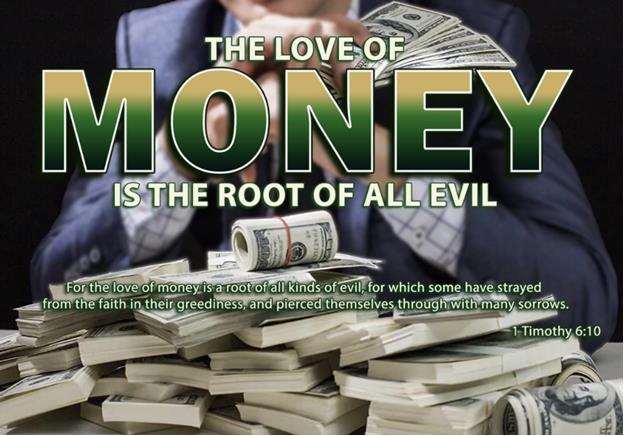
Auto Sales Commissions: The Root of all Evil


Of course, the real quote from the Bible, Timothy 6:10, is “The love of money is the root of all evil”. If you don’t already know this, almost all car salespeople are compensated, almost totally, by a percentage of how much profit they make when they sell you a car. The average commission is about 25%. Virtually all car dealers are marking their cars up thousands above MSRP. With the average profit made on a car today being over $5,000, a salesperson earns about $1,250 for each car he sells. An average car salesman sells about 10 cars per month and a good car salesman will sell about 20. They’re earning $12,500 to $25,000 monthly.
As you know, auto sales dealerships are the only retail companies that allow their products’ markups to be determined by the salespeople. The upper management and owners of all other retail companies set the prices of their products to their customers. A car salesman is compensated and motivated to mark up the profit margin on the car he sells you “as much as he can get away with”. On any given day, the exact same MSRP, year-make-model car is sold at widely varying markups to different buyers. The shrewd, experienced negotiator-buyer might buy a new car close to MSRP, but a more gullible, inexperienced buyer could buy $10,000+ above MSRP. In today’s uniquely low supply, high demand automotive environment, car salespeople and dealers are making more money when they sell you a car than ever before in auto-retail history, about 100 years!

It's unethical, immoral and it should be illegal to sell the same product to every buyer at a different price determined by the buyer’s gullibility and inexperience. This is usually correlated to a buyers’ age, education, sophistication, and comprehension of the English language. Our civil rights laws protect certain classes of people against various kinds of discrimination. Interest rates on car loans are even covered by these laws; Why aren’t they also protected against outrageous markups on cars that are sold to others at much lower prices?
 
A car dealer that allows his salespeople to mark up each car he sells as high as he can get away with is guilty of discrimination, pure and simple. This needs to be codified into law by our lawmakers and enforced by our regulators. Ironically, our lawmakers and regulators are members of the privileged class that gets the lowest prices. In fact, one could make the argument that the unrealistically lower prices they’re able to command, may even cause other buyers to pay more. What kind of a “deal” do you think a governor, senator, or congressman gets when he or she buys a car, compared to your price? How about an Attorney General or the head of the County Office of Consumer Affairs?

All car dealers should be required by law to post the out-the-door price on every car they sell and sell every car to every customer at that price. The legal definition of the out-the-door price should be “a price with no added charges except government fees (sales tax and license plate). The governor of the state or the President of the United States should have to pay the same out-the-door price as you and me.